4 May 2025
Thoughtopia
3 min read
Listen to Article
Listen to this sociological analysis
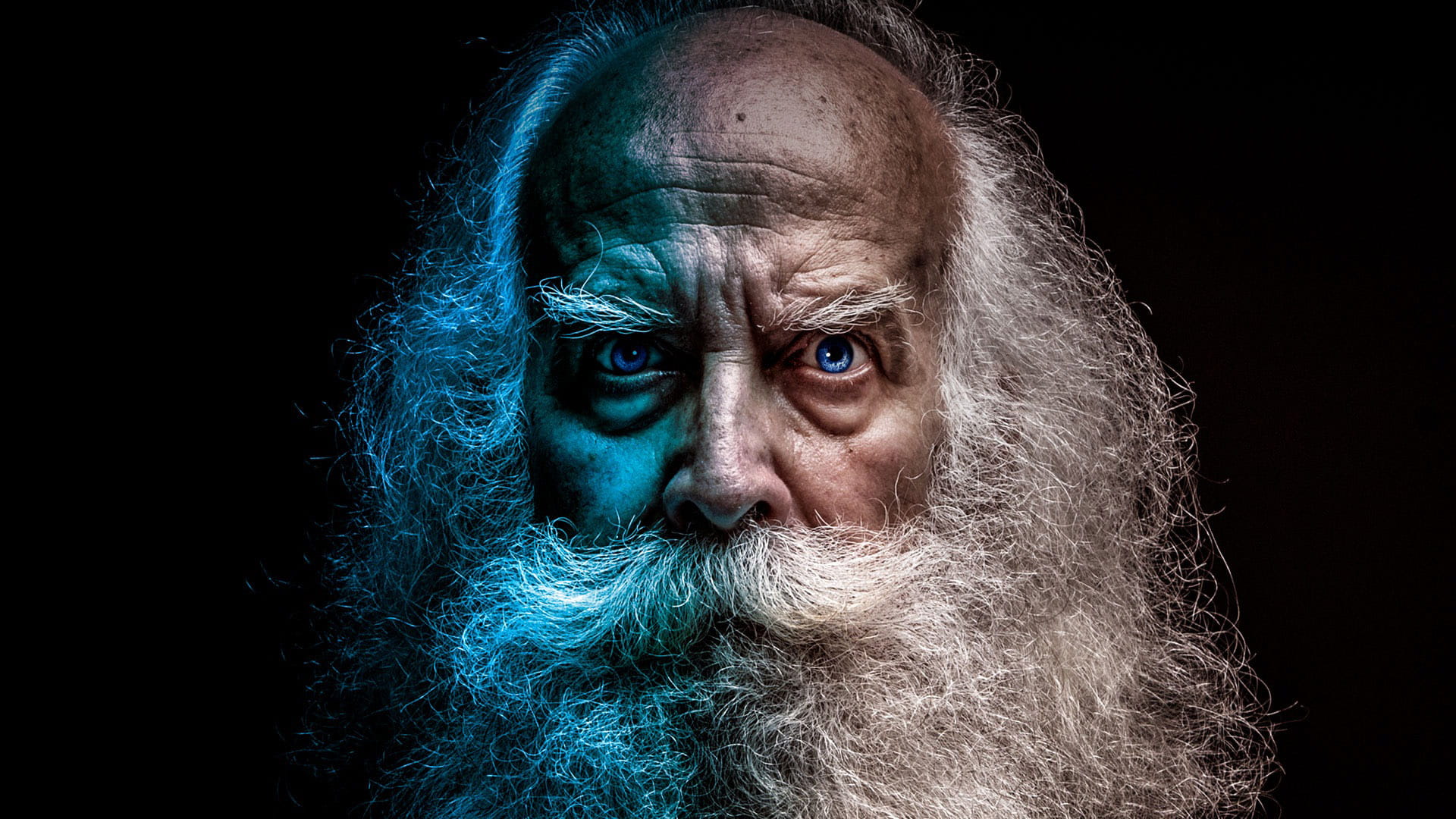
“No one is so blind as the one who does not want to see.” Avicenna
This powerful sentence is not only due to physical blindness; It speaks of mental, emotional and spiritual stubbornness, selective perception and resistance. From the perspective of social sciences, this situation is explained with concepts such as “cognitive distortions”, “confirmation bias” or “perception filter”. When people experience conflict between the information or experiences they encounter and their own beliefs and values, they tend to ignore, reject or ignore the truth in order to reduce this conflict. Gusually avoid confronting facts that threaten the worldview in which they believe and feel safe. Because accepting a new reality may shake the existing belief system, damage identity, or cause conflict with the social environment. That’s why someone who doesn’t want to see, not only his eyes; He closes his intellectual doors, his heart and sometimes his conscience.
This situation is also related to the concept of selective perception in social psychology. Individuals accept only information that aligns with their beliefs and values and ignore all other information. For example, if a person does not want to see the injustice or inequality in the world, instead of noticing it, he closes his eyes in a way that makes his life more comfortable. This may be a conscious choice or a result of the effects of the social structure that keeps the individual in a comfortable shell.
In the spiritual context, this blindness is a mechanism to protect the soul from awareness that it is not yet ready for on its own journey. Universal teachings emphasize that spiritual awakening is based on the free will of the individual. True wisdom is not about transferring knowledge by force; It’s about letting it come out on its own when the time comes. In this context, trying to “show” someone often backfires. Those who do not want to see have to stay in their inner darkness for a while because the lesson they will learn from there has not been completed yet.
Everyone sees as much as they want to see, and sometimes this is a way of self-protection and sometimes a way of stubbornly resisting change. True awakening is not just seeing external realities; It means being able to face what we ignore with inner honesty. That’s why the truth should be presented by invitation, not by imposition. Because the soul opens its eyes only when its time comes.
What did you think of this article?
Specialist Sociologist Burcu ÖZBEK
All rights of the article titled "Resilience, Blindness and Spiritual Readiness" belong to Specialist Sociologist Burcu ÖZBEK and published on https://burcuozbek.com/. Brief excerpts may be quoted by acknowledging the author and providing a direct link. The full text cannot be reproduced or republished without prior written permission.
Related Articles You May Like
Read More →
25 Jul 2025
1 min read
15 Jun 2025
3 min read

5 May 2025
2 min read