15 June 2025
Thoughtopia
3 min read
Listen to Article
Listen to this sociological analysis
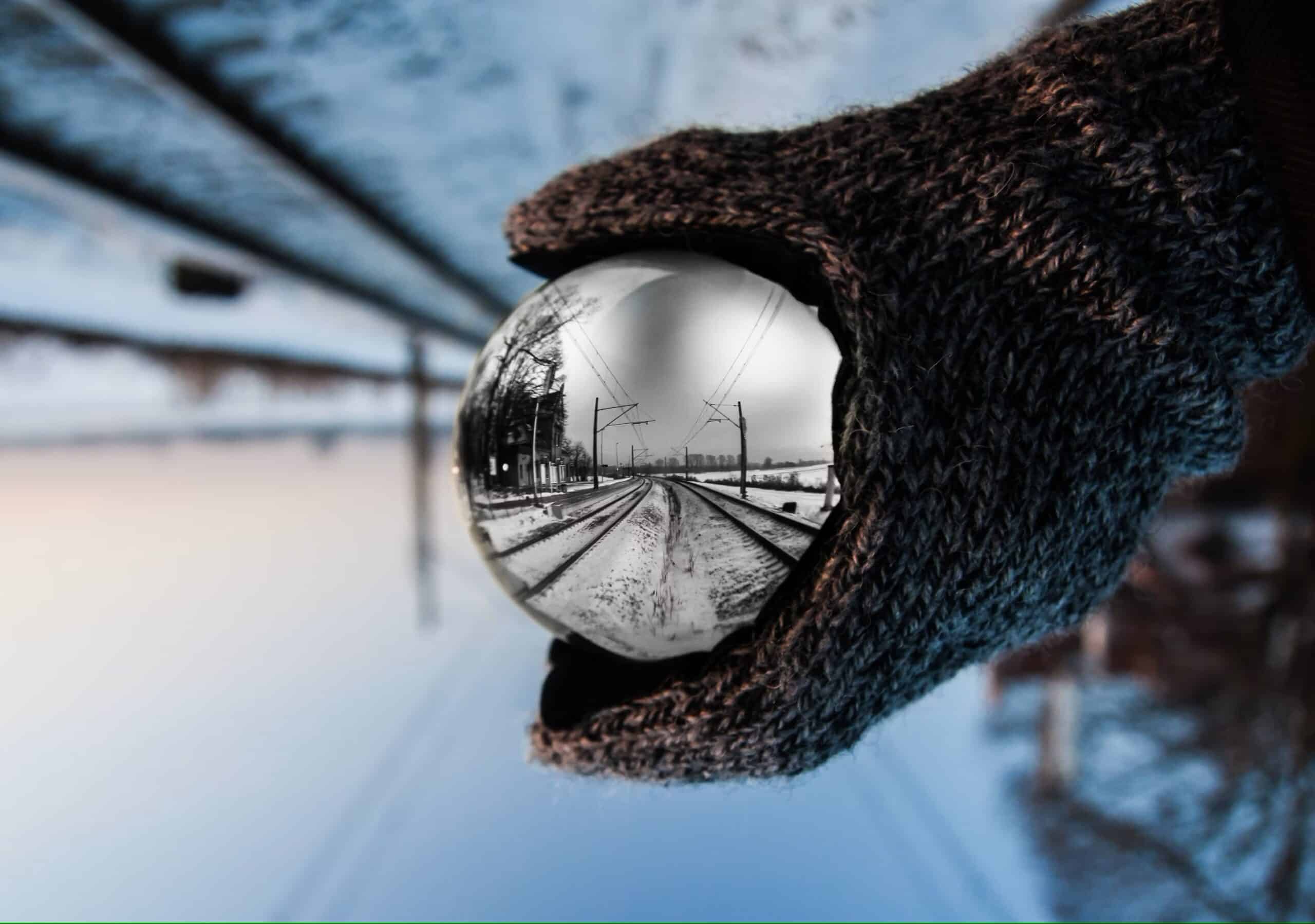 “Everyone thinks that their own viewing distance is the limits of the world.” Matt Haig
This sentence draws attention to the individual’s limited perspective being perceived as the whole of universal reality. In social science terms, this is about perception management, cultural codes and cognitive distortions. A person creates a “distance of vision” for himself with the environment in which he grows up, the information sources he is exposed to, his level of education and social experiences. But this distance is often not the whole world; It is merely the individual’s window of view on the world.
From a spiritual point of view, this situation is an illusion created by the ego. The ego thinks that its own truths are universal truths; This makes people judgmental, exclusionary and closed to development. However, as awareness increases, the individual becomes curious about what is beyond his field of vision and begins to say, “What I see is not everything.” True awakening is an expansion that includes not only what is seen with the eye but also what is perceived by intuition.
Therefore, one of the most important steps in intellectual and spiritual development is to accept that other realities may exist beyond our field of vision. Just because someone else thinks differently doesn’t mean they are wrong; It may show that he is looking from a different “geography”. Development is not about excluding boundaries; The key is to see and overcome them.
View distance; It’s not just about how far we can see, it’s also about what we ignore. People often consciously or unconsciously exclude some realities to protect themselves. This is the effect of both defense mechanisms in individual psychology and society-wide norms, taboos and collective beliefs. A mind that is closed to someone else’s opinion is actually not ready to face the darkness within itself.
However, true enlightenment begins not only with looking through other people’s windows, but with realizing the limits of your own window. “Why do I think this way about this?”, “Where did I inherit this point of view?” Questions like these may be the key to expanding our range of vision. Expanding the scope of thought is often uncomfortable; because it threatens our comfort zone. But growth comes through uncertainty and courage, not comfort.
Spiritually, this means that the notion of “I” begins to dissolve. We now begin to wonder not only who we are, but also who we are not. At this point, someone else’s voice is no longer a threat; It becomes a call, a guide. Because the wise person knows that there may be a spark of truth behind every idea. He/she learns to remain silent, to listen, and to intend to understand.
That’s why we want to expand our range of vision; It’s not just about seeing more, it’s about feeling more, connecting deeper, judging less, and loving more. And maybe the world could really change if everyone pulled back the edge of their vision a little.
What did you think of this article?
Specialist Sociologist Burcu ÖZBEK
All rights of the article titled "Our View Range and Reality: Individual Perception or Universal Truth?" belong to Specialist Sociologist Burcu ÖZBEK and published on https://burcuozbek.com/. Brief excerpts may be quoted by acknowledging the author and providing a direct link. The full text cannot be reproduced or republished without prior written permission.
Related Articles You May Like
Read More →
27 Jul 2025
3 min read
25 Jul 2025
1 min read

24 Jul 2025
2 min read