13 August 2025
Smile, Capture
4 min read
Listen to Article
Listen to this sociological analysis
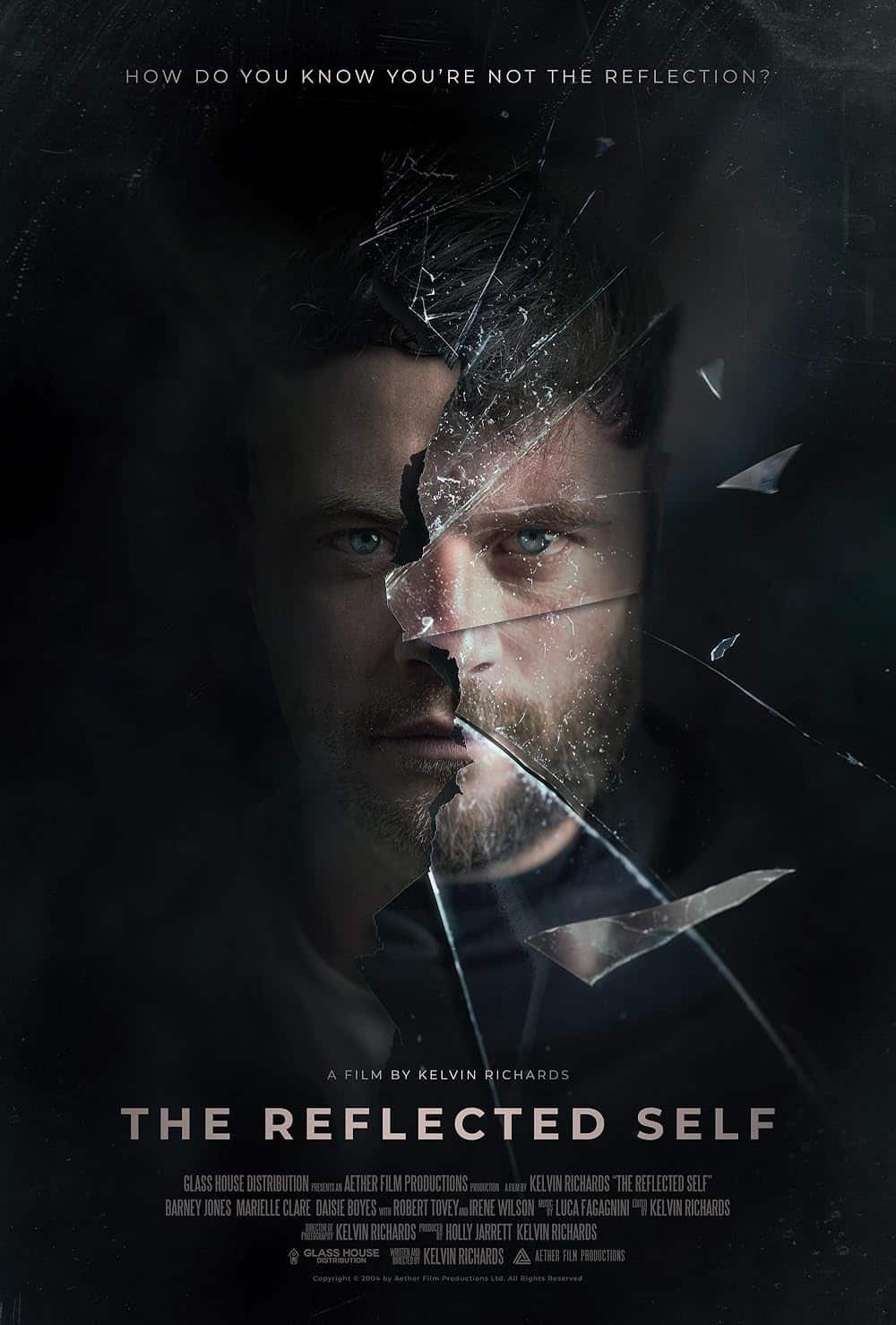
One of the most effective elements of horror cinema is that it not only scares the audience but also makes them think. Some movies are remembered not for their story arc, but for the atmosphere and subtexts they create. Even seemingly simple topics such as “a disaster in a small village” can turn into a deep social and psychological analysis when handled skillfully. This movie we are reviewing creates exactly the same effect: it keeps the audience glued to their seats and at the end makes them wonder, “What did I actually watch?” It makes you ask the question.
The Reflected Self (2024), directed by Kelvin Richards, leaves the audience wondering “Which one is real?” from beginning to end. It is one of the unsettling examples of the psychological thriller genre that leaves you with the question: The film is about a man named Dion who is stuck between childhood traumas, domestic violence, losses and ultimately the alternative scenarios he creates in his own mind.
You change your mind many times while watching: Some moments make you say “this is definitely a hallucination”, but in the next scene the idea that that event may actually have happened prevails. My interpretation is darker: Everything really happened.
– Contains spoilers (movie content information)!-
The Reflected Self – True Chronology (According to Theory)
1. Childhood Trauma
- Dion grows up in a violent family.
- Violence between parents results in death.
- His father kills his mother and Dion cannot protect his mother because he is a child.
- Witnessing this event creates a permanent break in his mind.
2. Adulthood and Creating a Family
- Dion gets married and has a daughter.
- He unconsciously repeats the patterns of violence he sees in his own family.
3. Daughter’s Death
- In an outburst of anger, he kills his daughter (just like her father killed her mother, and although it seems like an accident, he is physically responsible).
- This trauma causes him to produce alternative scenarios in his mind.
4. Collapse in Marriage
- His relationship with his wife deteriorates further.
- His wife acts accusing Dion of her daughter’s death, and Dion becomes paranoid that she might go to the police.
5. Death of His Wife
- He deliberately kills his wife during an argument
- This time the incident is intentional. However, he adorns this murder with “other possibilities” in his mind: ghost attack, accidental death, etc.
- Because he acted like his father again and caused the death of the last important woman in his life.
6. Returning to the Old Home
- He returns to his childhood home.
- Here the ghost confronts the female figure (a mixture of mother, wife, daughter).
- This ghost woman is the embodiment, the physical reflection of his repressed guilt and past traumas.
7. Mental Loop and No Escape
- The “different realities” we see throughout the film are rewritten versions of his state of guilt, that is, what actually happened.
- In the finale, Dion seems ready to construct a new alternative scenario. The impression given to the audience is that he will meet Nia (his daughter) for the first time. The cycle is endless.
Symbols and Moments When the Truth Leaks
Mirror: Fear of facing yourself. Small distortions in the reflections reveal Dion’s mental manipulation.
Old House: The place of the past, the center of both trauma and crime.
Ghost Woman: Combination of facial features of all victims; the embodiment of guilt.
Use of Light: Even in daytime scenes, darkness symbolizes the invisibility of reality.
Silence: The absolute silence at the scene of his wife’s death (no police or ambulance sirens, no screaming or crying) implies that the event has been digested and accepted.
________________________________________________________________________________________________
Conclusion: The Most Scary, Everything Turned True
Interpreting The Reflected Self as a “hallucination” leaves a somewhat safe distance. But I think the most disturbing aspect of the movie is that everything actually happened. What we are watching is not a montage of the truth, but a montage of lies built by the criminal in his mind.
From this perspective, the film is not just a psychological thriller; It is also a striking example of how one’s fear of confronting one’s own darkness can even rewrite memory.
_________________________________________________________________________________________
What if, like Dion, we only followed the version of reality shown to us.
Perhaps the final scene was more a reflection of us still thinking we knew the true story, rather than him starting to write a new lie.
Because the real danger in The Reflected Self is not what is real. What we prefer to be true.
What would you prefer to be real in your own life???
What did you think of this article?
Specialist Sociologist Burcu ÖZBEK
All rights of the article titled "The Reflected Self (2024) Movie Review – Reality or Hallucination?" belong to Specialist Sociologist Burcu ÖZBEK and published on https://burcuozbek.com/. Brief excerpts may be quoted by acknowledging the author and providing a direct link. The full text cannot be reproduced or republished without prior written permission.
Related Articles You May Like
Read More →
14 Aug 2025
4 min read

27 Jul 2025
3 min read
25 Jul 2025
1 min read