13 June 2025
Thoughtopia
3 min read
Listen to Article
Listen to this sociological analysis
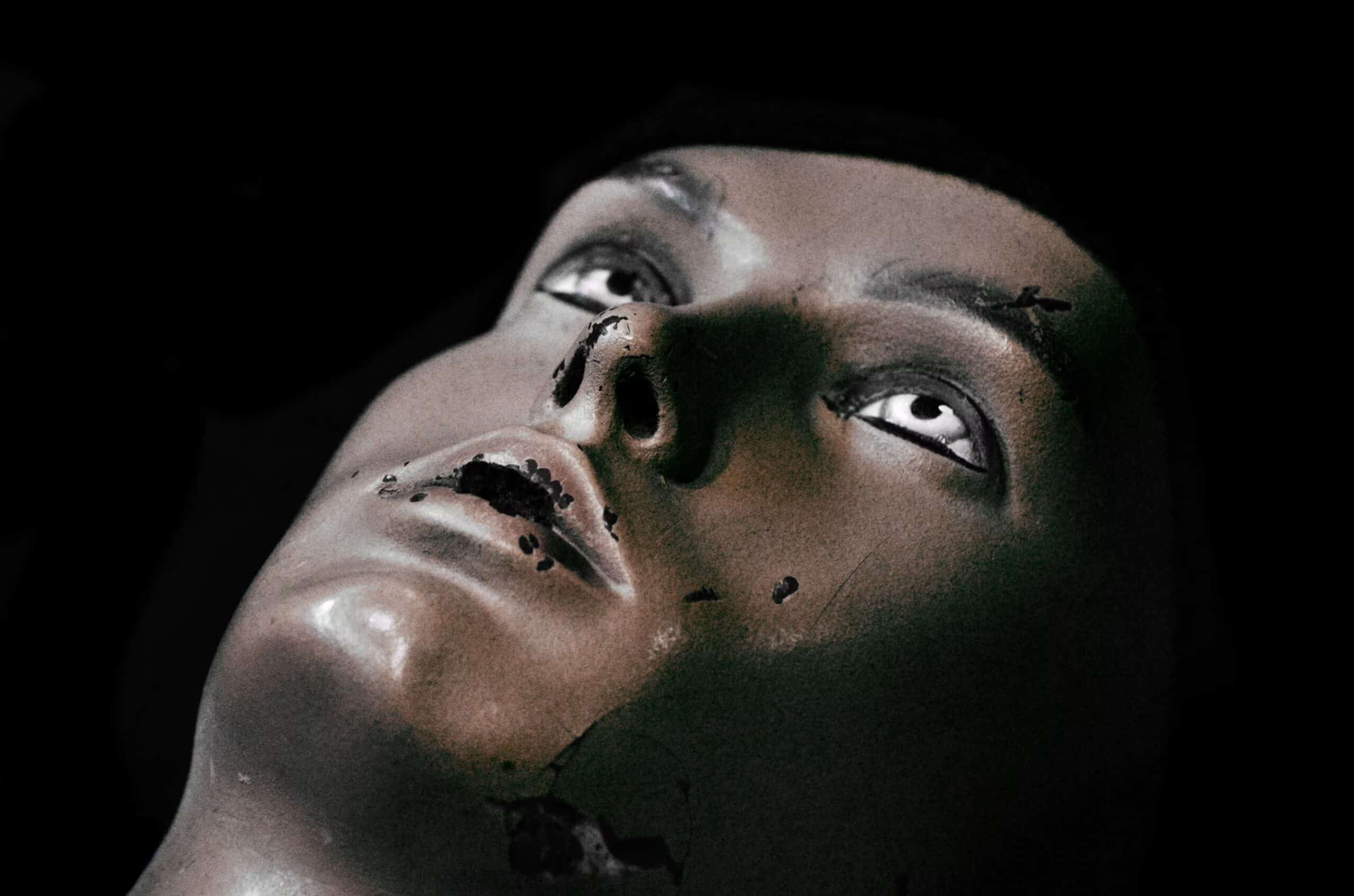 “Circumstances do not create a person. Conditions only reveal who he is.”
This statement indicates that the individual’s personality and value system are not shaped by external conditions; On the contrary, he argues that, thanks to these conditions, aspects that already exist within him become visible. Although it is accepted in sociology that the individual constructs his identity in interaction with society, this sentence rather emphasizes that the foundations of character already exist in the individual and only surface in moments of crisis, difficulty or opportunity. Well; The patience, anger, or moral stance displayed by someone under pressure is a reflection of the inner world, not the outer world.
This approach, which overlaps with the idea of “real character emerging under stress” in psychology, points out that moments of confrontation with one’s essence usually occur in extraordinary situations. In this context, circumstances act as a mirror that reveals aspects of a person that he does not even admit to himself.
In this framework, circumstances become a trigger that reveals the individual’s inner map. For example, the leadership, resilience, or ability to produce solutions displayed in a sudden crisis is not external; It is an expression of the potential that has been brewing in the inner world of the individual for a long time. This potential often remains hidden within the comfort zone of daily life, and is not even noticed by the person himself. However, moments of breaking make both the limits and the capacity of the individual visible.
This relationship between social structure and individual psychology is considered as the individual-society dialectic in social sciences. Every individual is shaped in an environment, but this formation is not a passive process, but an active self-creation process. The individual is not shaped by circumstances; He establishes his “real” identity through his reactions to them. Therefore, the same crisis can lead to completely different results in different individuals. This relates to the individual’s ethical principles, emotional intelligence, capacity to cope with trauma, and past experiences.
Also, as Michel Foucault put forward regarding power and subject relations; individuals do not passively submit to power structures and norms. On the contrary, the individual has the right to assert, oppose or redefine his own stance as a subject in every situation. Therefore, circumstances do not “make” who you are, they just introduce you to your true self – often when you least expect it.
The conclusion here is that the individual must constantly question his own character, not only in moments of crisis, but also in daily life. Because character is not a fixed structure; It is an internal orientation and a dynamic relationship with external situations. Conditions are tests that reveal this orientation.
What did you think of this article?
Specialist Sociologist Burcu ÖZBEK
All rights of the article titled "Do Conditions Create People, or Do People Create Conditions? Deep Anatomy of Character" belong to Specialist Sociologist Burcu ÖZBEK and published on https://burcuozbek.com/. Brief excerpts may be quoted by acknowledging the author and providing a direct link. The full text cannot be reproduced or republished without prior written permission.
Related Articles You May Like
Read More →
14 Aug 2025
4 min read

13 Aug 2025
4 min read

27 Jul 2025
3 min read